
Guide to Importing and Shipping E-cigarettes from China
With the rapid expansion of the global e-cigarette market, more and more traders and e-commerce sellers are looking to import e-cigarettes and accessories from China. China is not only a major e-cigarette producer, but also boasts a well-developed supply chain and a diverse product selection.
However, cross-border e-cigarette transportation involves multiple national regulations, customs clearance requirements, and the choice of shipping methods. A single mistake can lead to shipment detention or additional costs. The following provides a comprehensive guide covering import procedures, regulations, shipping methods, costs, and risk management.
Introduction to E-cigarettes
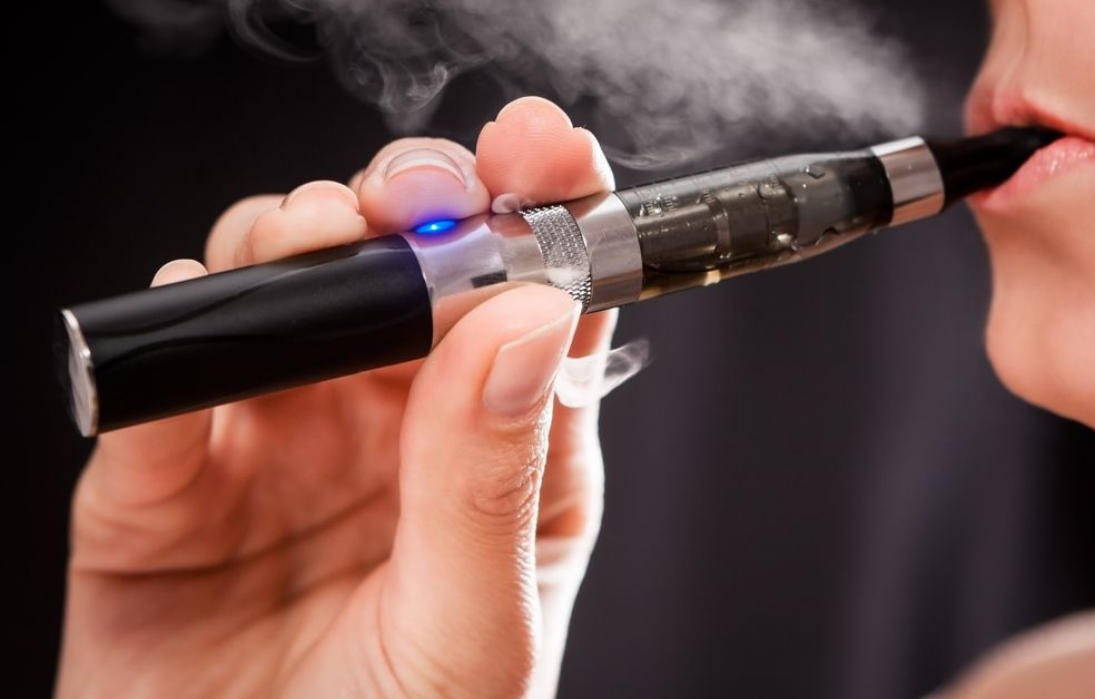
An e-cigarette (e-cigarette) is an electronic device that produces vapor by heating and atomizing e-liquid. It is widely used as an alternative to traditional cigarettes. Its core structure typically includes a battery, an atomizer, a reservoir, and a mouthpiece. The atomized liquid typically contains nicotine, propylene glycol, vegetable glycerin, and various flavorings to simulate the real smoking experience.
Compared to traditional tobacco, e-cigarettes do not rely on combustion to release tar and carbon monoxide, making them relatively more friendly to secondhand smoke and odor. However, e-cigarettes are not completely harmless; nicotine is still addictive, and some countries and regions still impose restrictions on their sale, advertising, and use.
In terms of the market, China is the world’s largest e-cigarette manufacturing base, especially with Shenzhen as its core, where the industry chain is complete and innovation is rapid. Chinese companies not only provide OEM/ODM production for international brands, but also continuously launch their own brands. Their product range includes disposable e-cigarettes, replaceable cartridge devices, and pressure-adjusted e-cigarettes.
In recent years, global e-cigarette market demand has grown rapidly, with strong import demand in Europe, the United States, Southeast Asia, and the Middle East. With advancements in design and technology, e-cigarettes have continuously improved in appearance, flavor, and battery life, attracting a large number of young consumers and driving business opportunities in cross-border e-commerce and wholesale imports.
Driven by environmental protection and regulatory trends, many manufacturers are adopting recyclable materials and replaceable accessories to reduce e-waste. For importers, understanding the basic structure of e-cigarettes, consumer trends, and technological innovations can help them better select suitable products and seize market opportunities.
How to import e-cigarettes from China
When importing e-cigarettes, it’s important to understand the specific restrictions in each country. These restrictions vary widely, ranging from limits on the nicotine content in e-liquids to the total number of e-cigarettes permitted for import.
For example, some countries have strict regulations on the maximum nicotine concentration allowed in e-cigarettes, which may affect an importer’s product selection. Additionally, some jurisdictions may impose quotas or caps on the number of e-cigarette products that can be imported within a specific period.
Understand the Regulations of Various Countries Regarding E-Cigarette Imports from China
Before officially importing e-cigarettes from China, a thorough understanding of the import regulations of your target market is the first step. Regulations on e-cigarettes and their accessories (such as e-liquids, atomizers, and lithium batteries) vary significantly between countries. For example, the US FDA requires e-cigarette products to comply with the Tobacco Control Act; EU member states must adhere to the TPD (Tobacco Products Directive) and provide product safety test reports.
In addition, some countries have strict restrictions on nicotine content, making it crucial to confirm product specifications before importing. Ignoring regulations can often lead to customs detention or even return of goods, increasing time and money. It is recommended to consult with a local import agent or professional lawyer before signing a contract, and to prepare relevant documents in advance, such as MSDS reports, test certificates, and ingredient statements.
Also, some countries may require specific tax classifications or additional consumption taxes. Confirming the tax code and tax rate in advance can effectively reduce uncertainty during subsequent customs clearance. For long-term importers, establishing a robust compliance database can help shorten customs clearance times and mitigate risks.
Finally, importers should monitor policy changes. E-cigarettes are an emerging product, and regulations in various countries may adjust rapidly. Regularly reviewing official announcements or notices from industry associations is an important step in maintaining compliance.
Sourcing E-Cigarettes from China and Supply Chain Management
China is the core of the e-cigarette industry chain, boasting a comprehensive R&D, production, and testing system, from the e-cigarette manufacturing cluster in Shenzhen to the accessory factories in Guangzhou. Selecting reliable suppliers is crucial for ensuring product quality and delivery time.
Freight Forwarding in Shenzhen: Air Freight, Sea Freight
During the procurement phase, it is recommended to screen manufacturers through multiple channels, such as participating in Chinese e-cigarette exhibitions (such as the Shenzhen International E-Cigarette Exhibition), leveraging B2B platforms (Alibaba, Made-in-China), or through third-party factory inspection agencies. Establishing clear contract terms with suppliers, including product specifications, quality standards, after-sales service, and division of responsibilities, can avoid potential disputes.
Sample testing is an essential step. Importers should request samples for functional testing, visual inspection, and packaging verification before mass production. E-cigarette batteries, in particular, must comply with international safety standards such as CE, UL, or UN38.3 to reduce transportation and usage risks.
In addition, inventory and production cycle management are equally important. E-cigarette demand fluctuates significantly, so a sound stocking plan and safety stock levels can help mitigate the risk of stockouts. We can establish long-term cooperative relationships with suppliers and negotiate flexible production and delivery arrangements to ensure stable supply.
The Process of Importing E-Cigarettes from China
To import e-cigarettes from China, first clarify your sourcing objectives and product type, such as disposable e-cigarettes, devices with replaceable cartridges, or accessories. Different products have different HS codes and regulatory requirements. Importers should confirm the codes before purchasing to ensure accurate declaration during customs clearance.
Next comes supplier screening and price negotiation. It’s recommended to identify manufacturers with legal production qualifications through exhibitions, B2B platforms, or industry associations. Verify their business licenses, ISO or CE certifications, and product test reports. It’s best to request small batch samples from suppliers for quality verification before signing a formal contract.
After signing the contract, importers need to prepare regulatory documents, such as commercial invoices, packing lists, and product test reports (such as MSDS and UN38.3). They should also arrange third-party testing according to the regulations of the destination country. For example, exports to the EU may require TPD registration and submission of product safety data.
The final step is payment and logistics arrangements. Payment is typically made via wire transfer, letter of credit, or escrow platforms to ensure fund security. You can negotiate with the freight forwarding company on shipping plans, packaging standards and customs clearance requirements to ensure the smooth shipment of the entire batch of goods.
How to Ship E-Cigarettes from China To Your Country
- Choose the appropriate transportation method: Choose the appropriate transportation method, such as sea transportation, air transportation or land transportation, based on factors such as the quantity, volume and transportation time of the goods.
- Arrange transportation and insurance: Negotiate with Chinese suppliers to arrange transportation and insurance of goods.
- Track the status of goods: Through the tracking system of China Freight Forwarding Company, you can know the transportation status of goods in real time.
- Customs clearance and delivery: After the goods arrive at the destination country, customs clearance and delivery procedures must be carried out in accordance with local customs regulations.
Choose the appropriate shipping method (such as sea shipping, air shipping, etc.) to ship E-Cigarettes from China to your country. When choosing a transportation company, you can consider its transportation experience, service quality, price and other factors. Shipping companies usually provide a series of services such as door-to-door pickup, packaging, customs clearance, transportation and door-to-door delivery to reduce your burden.
For shipping from China to your country, it is best to find a China freight forwarding company to serve you, Below is the shipping information about shipping from China to different countries. If you are interested, you can click on the link to read:

E-cigarette Shipping Options from China: Air Freight, Ocean Freight, and Dedicated Lines
E-cigarette products often contain lithium batteries and liquid components, so shipping is subject to strict restrictions. Air freight is suitable for time-sensitive orders, typically arriving within 7–12 days. However, this requires the airline to obtain a lithium battery transport permit and comply with IATA (International Air Transport Association) dangerous goods regulations.
Ocean freight is suitable for large-volume shipments, offering lower costs and a typical transit time of 25–40 days. Although ocean freight regulations for dangerous goods are relatively relaxed, MSDS and UN38.3 battery safety reports are still required before loading. For long-term, stable traders, ocean freight offers an effective way to reduce overall costs.
Dedicated line logistics has become a popular option in recent years, particularly for the European and American markets. Dedicated line services combine air freight with end-to-end delivery, facilitating smoother customs clearance and making them suitable for medium-volume orders. Some dedicated lines even offer DDP (Delivered Duty Paid) services, eliminating the need for importers to worry about customs clearance and tax settlement.
When choosing a shipping method, consider product characteristics, delivery time, and budget. For nicotine-containing e-liquid cargo, it is recommended to cooperate with a freight forwarder with dangerous goods transportation qualifications to ensure compliance with international transportation standards and avoid delays.
Shipping cost E-Cigarettes From China
Estimating E-Cigarettes shipping costs requires considering a variety of factors. Size, weight, destination, shipping method, and additional services like insurance or expedited shipping all affect the final cost. It is crucial to get accurate shipping quotes from different carriers or shipping companies to compare prices and services.
In 2024, the sea freight from major ports in China (such as Shanghai and Tianjin) to the West Coast of the United States (such as Los Angeles) will be approximately US$100 to US$250/cubic meter. For specific prices, please consult the Chinese freight forwarder Basenton Logistics.
As a rough estimate, shipping a 40-foot container from China to the U.S. West Coast costs between $2,500 and $4,000. For the U.S. East Coast, costs may increase by $3,000 to $4,500 due to longer shipping distances.
For more detailed information on the cost of shipping from China to the United States, please click on the link:

If you are shipping not to the United States, but to Germany, France, Spain, Romania, Turkey, Hungary or other countries, and want to know the cost of shipping from China to the destination country, you can read the following post.
Shipping e-cigarettes from China: Duties and Value-Added Tax
The overall cost of importing e-cigarettes from China includes not only shipping costs but also duties, excise taxes, storage fees, packaging fees, and customs clearance fees. The choice of shipping method is a major factor influencing shipping costs. For example, air freight rates typically range from $6–$12 per kilogram, while sea freight, priced by cubic meter, offers a more cost-effective alternative.
Duties and value-added tax (VAT) vary depending on the destination country, and some countries impose high excise taxes on e-cigarettes. For example, Canada’s excise tax is calculated based on nicotine content, while the EU imposes an additional tax based on retail value. Understanding and calculating these costs in advance can help you avoid budget overruns.
Furthermore, seasonal factors and fluctuations in international oil prices can affect shipping quotes. Peak seasons (such as the period before Christmas) experience high logistics demand, and freight rates can increase by 20%–30%. It’s recommended to secure shipping space in advance or sign an annual rate agreement with a long-term freight forwarder to control costs.
Finally, packaging and insurance are not negligible expenses. Electronic cigarettes are fragile and electrically charged products. Professional shockproof and leak-proof packaging and transportation insurance can significantly reduce the economic losses caused by damage or loss.
Customs Clearance and Risk Management for E-cigarette Shipping from China
The difficulty in customs clearance for e-cigarette imports lies in the completeness of regulatory documentation. Required documents include commercial invoices, packing lists, certificates of origin, product inspection reports, and shipping insurance policies. Missing any of these documents can result in customs clearance delays.
To mitigate risk, it’s recommended to work with an experienced freight forwarder who can provide the latest information on the destination country’s customs clearance requirements and assist in preparing declaration documents. For first-time importers, DDP shipping services can be selected, with the freight forwarder handling customs clearance and tax payments, reducing operational complexity.
Insurance is crucial for ensuring the safety of goods. While it carries a certain cost, it provides necessary financial compensation in the event of damage, loss, or delays due to force majeure.
At the same time, attention should be paid to international policy changes and unexpected events. For example, epidemics or shipping strikes can extend shipping times. Establishing contingency plans and flexible inventory strategies can help mitigate losses caused by supply chain disruptions.
Finally, continuous monitoring of logistics status is equally critical. With the help of a professional cargo tracking system, you can monitor the shipping progress in real time, communicate with suppliers and customers in a timely manner, and ensure the safety and smoothness of the entire import process.
Freight Forwarder for E-Cigarettes from China
If you need reliable international e-cigarette shipping solutions, Basenton Logistics is your trusted partner. We ship from China to most countries worldwide, offering door-to-door and DDP (Delivery Duty Paid) services, using a variety of shipping methods including ocean freight, air freight, and dedicated lines.
However, because e-cigarettes involve special categories like lithium batteries and nicotine, regulations vary significantly from country to country. We recommend that customers consult with Basenton’s professional team before shipping to ensure compliance with the latest regulations and customs clearance requirements in the destination country, thereby avoiding shipping delays and additional costs.
Importing and shipping e-cigarettes from China requires careful consideration of regulations, supply chain management, transportation methods, cost control, and risk mitigation. Preparing for compliance and selecting reliable suppliers and logistics channels with hazardous materials certification are key to ensuring smooth delivery. Through careful planning and ongoing monitoring, importers can mitigate risk and gain an advantage in the competitive e-cigarette market.
sumurjp
Berita Olahraga
News
Berita Terkini
Berita Terbaru
Berita Teknologi
Seputar Teknologi
Drama Korea
Resep Masakan
Pendidikan
Berita Terbaru
Berita Terbaru
Berita Terbaru
