
Shipping from Shanghai to Dubai
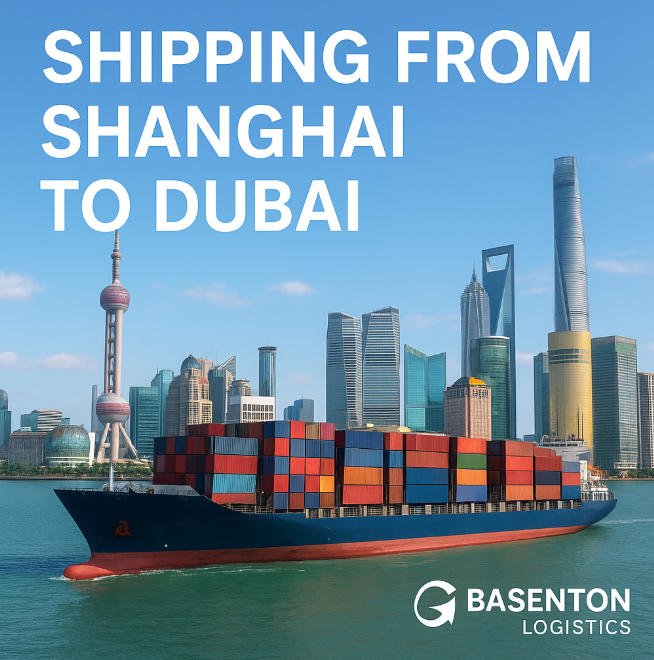
Shanghai, as one of China’s most important international shipping centers, holds an irreplaceable position in the global trade chain, while Dubai is the most influential logistics hub in the Middle East. The routes between the two cities maintain a high frequency of operation, making this route a popular choice for cross-border trade due to its efficiency and stability. Whether it’s large machinery, home appliances, finished textiles, or consumer electronics, this route offers flexible logistics solutions to meet the transportation needs of different companies.
learn more: Shipping From China to UAE
Why Choose Shanghai as Your Departure Port (POL)
Shanghai Port not only boasts world-class deep-water port facilities but also benefits from a vast industrial belt covering the Yangtze River Delta, making it a core hub for international trade. Yangshan Deep-Water Port and Waigaoqiao Port Area have consistently ranked among the world’s busiest ports for many years, with stable shipping routes and frequent vessel schedules, providing exceptionally high timeliness for goods exported to Dubai.
The Yangtze River Delta region has a high concentration of manufacturing industries. From Suzhou and Wuxi to Hangzhou and Ningbo, there is a high density of export companies, resulting in far greater efficiency in sourcing goods compared to other regions. For companies needing to consolidate goods from multiple suppliers, shipping from Shanghai minimizes inland transportation time and costs.
Shanghai’s logistics support system is also highly mature, including bonded warehousing, import and export customs clearance, cargo distribution, and quality inspection services, ensuring a smoother export process. For companies exporting to the Middle East market for the first time, Shanghai is also an ideal choice with low risk and high efficiency.
Sea Freight from Shanghai to Jebel Ali, Dubai
Sea freight remains one of the most stable and economical modes of transport from Shanghai to Dubai. Direct and transshipment routes between Shanghai Port and Jebel Ali Port are well-developed, with multiple shipping companies offering high-frequency schedules to suit export needs of varying sizes.
Full Container Load (FCL) is suitable for companies with large shipment volumes and high requirements for transport independence; Less than Container Load (LCL) is suitable for exporters with smaller shipment volumes, reducing costs by sharing space with other freight forwarders. Regardless of the method chosen, sea freight strikes a good balance between price and timeliness, making it the preferred choice for most traders.
Sea freight can typically carry a wide range of goods, including engineering equipment, raw materials, furniture, textiles, and bulk commodities. For goods that are not urgent but require stable transportation costs, sea freight is more advantageous than air freight.

Air Freight from Shanghai to Dubai
For businesses, air freight is the best option when delivery deadlines are tight or goods are of high value. Shanghai Pudong International Airport, one of China’s busiest international air cargo airports, sees a large number of cargo planes and passenger aircraft belly holds heading to Dubai International Airport (DXB) and Al Maktoum Airport (DWC) daily.
Air freight typically takes 3–6 days, significantly faster than sea freight, making it suitable for time-sensitive goods such as consumer electronics, luxury goods, medical equipment, and clothing samples. Even during peak seasons, air freight maintains relatively stable delivery times and is less prone to extreme delays.
However, air freight has stricter requirements for packaging, dimensions, and weight; therefore, professional packaging and dimensional verification before shipment are crucial.

Air freight from China to Dubai, UAE
Shipping Costs from Shanghai to Dubai
| Shipping Mode | Destination | Cost (average price in 2025) |
|---|---|---|
| LCL (Less than Container Load) | Jebel Ali | $100 per cubic meter |
| FCL (20-foot container) | Jebel Ali / Abu Dhabi / Sharjah | $1050 / $1,300 / $1250 |
| FCL (40-foot container) | Jebel Ali / Abu Dhabi / Sharjah | $1,550 / $1,850 / $1,750 |
| Air Freight (1000kgs+) | Dubai (DXB) | $4.50 per kilogram |
Shipping costs from Shanghai to Dubai vary depending on the season, cargo type, availability of shipping space, and mode of transport.
Ocean freight is typically priced per full container load (FCL) or less than container load (LCL) per cubic meter. Generally, a 20ft container costs between $1,000 and $2,500, or $50 to $150 per cubic meter (for a single cubic meter, the DDP all-inclusive cost is approximately $450). Prices may be higher during peak seasons; off-seasons offer more competitive pricing, leading many companies to replenish their stock in advance.
Air freight costs are more influenced by weight, volume, and flight availability, ranging from $3 to $9 per kilogram. For certain product categories, price fluctuations are more pronounced during promotions, holidays, or supply chain emergencies; therefore, advance booking can effectively lock in costs.
In addition, export customs clearance fees, destination port charges, warehousing fees, and documentation fees also affect overall logistics costs. Before creating a budget, a comprehensive assessment of all aspects is necessary to avoid unexpected additional costs later.
To learn more about shipping costs from China to Dubai, please read:
Shipping Time from Shanghai to Dubai
| From Port / To Port | Transit time |
|---|---|
| Shanghai to Jebel Ali, Dubai | 20-25 days |
| Hong Kong to Jebel Ali, Dubai | 22-28 days |
| Guangzhou to Jebel Ali, Dubai | 18-25 days |
| Ningbo to Jebel Ali, Dubai | 20-27 days |
| Shenzhen to Jebel Ali, Dubai | 15-22 days |
Shipping time from Shanghai to Dubai is typically a critical factor for businesses when developing supply chain plans. The average sea freight journey from Shanghai to Dubai takes approximately 18–25 days, varying slightly depending on the shipping company, whether transshipment is involved, and seasonal changes. If additional processing is required, such as inspection, document exchange, or warehouse transshipment, the overall transit time will be slightly extended.
Air freight typically takes 3–6 days, including flight time, export declaration, and customs clearance at the destination. Choosing express shipping can further reduce processing time.
For companies with specific delivery time requirements, planning container loading dates and confirming shipping schedules or flights in advance are crucial steps to ensure stable delivery.
learn more: How Long Does it Take for Shipping from China to UAE
Freight Forwarders from Shanghai to Dubai
When choosing a freight forwarding company, businesses often prioritize the stability and professionalism of the entire transportation chain over individual services. Exporting goods from China to Dubai involves multiple stages, including booking, warehousing, customs clearance, port operations, destination port formalities, and delivery. Deviations at any stage can impact delivery timelines. Therefore, partnering with experienced freight forwarders familiar with the Middle East market is crucial for improving transportation efficiency and mitigating risks.
Many companies overlook the importance of destination port operations in the initial stages of transportation. However, Dubai’s customs policies, warehouse management models, and port operation procedures differ significantly from China’s. A lack of local experience can easily lead to delays, additional costs, or increased inspection risks. Therefore, choosing a cross-border logistics service provider with end-to-end capabilities undoubtedly reduces uncertainties at the destination port.
For companies aiming for a long-term presence in the Middle East market or regularly replenishing their cargo in Dubai from China, a stable logistics partner not only helps optimize transportation plans but also provides more flexible strategies to cope with cargo fluctuations, peak season shipping shortages, or limited air freight capacity. This stable partnership significantly improves supply chain efficiency and allows businesses to focus more on product and sales.
Basenton Logistics has long served the China-Dubai route, is familiar with the customs regulations, sea and air freight procedures in both locations, and can provide professional advice based on the characteristics of different goods, such as whether LCL (Less than Container Load) is suitable, whether reinforced packaging is needed, and whether there will be customs restrictions in Dubai. With years of experience on the Middle East routes, we can provide clients with stable and reliable transportation solutions, making the export process smoother, more transparent, and safer.
You might be interested in:
Basenton Logistics Qualification Certificates:

Recommended case studies related to Basenton logistics:
sumurjp
Berita Olahraga
News
Berita Terkini
Berita Terbaru
Berita Teknologi
Seputar Teknologi
Drama Korea
Resep Masakan
Pendidikan
Berita Terbaru
Berita Terbaru
Berita Terbaru
